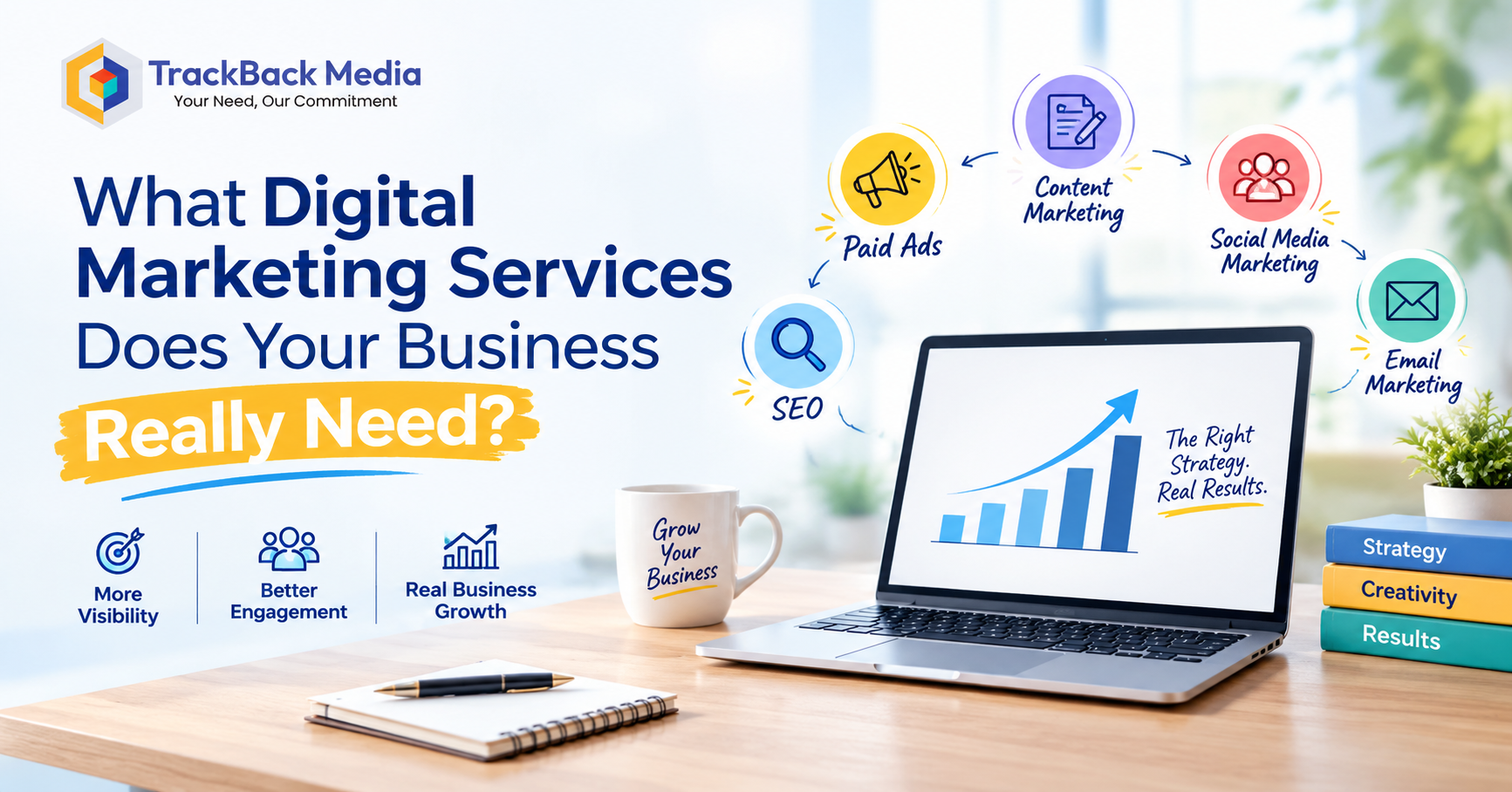
Digital marketing is no longer about being present on every online platform. It is about choosing the right digital marketing services for your business goals, target audience and budget.
A local business may need local SEO and Google Business Profile optimization, while an e-commerce brand may benefit more from SEO, Google Ads, social media advertising and conversion optimization. A B2B company may require SEO, content marketing, LinkedIn marketing and lead generation.
So, which digital marketing services does your business actually need?
The answer depends on what you want to achieve: more website traffic, qualified leads, online sales, brand awareness or long-term organic growth.
1. SEO: Build Long-Term Organic Visibility
Search Engine Optimization (SEO) helps your website appear when potential customers search for products, services or information related to your business.
For example, someone searching for:
- digital marketing agency near me
- SEO services for small businesses
- best digital marketing company in India
- social media marketing services
- Google Ads agency
is already showing potential commercial intent.
SEO helps your business compete for these searches without paying for every individual click.
What does SEO include?
A professional SEO strategy can include:
- Keyword research
- Search intent analysis
- On-page SEO
- Technical SEO
- Local SEO
- Content optimization
- Internal linking
- Schema markup
- Digital PR and link building
- Competitor analysis
- Google Search Console monitoring
- Organic traffic and ranking analysis
When does your business need SEO?
SEO should be a priority if you want consistent organic traffic and long-term search visibility.
It is particularly valuable for businesses with services or products that people actively search for online.
2. Local SEO: Attract Customers Near Your Business
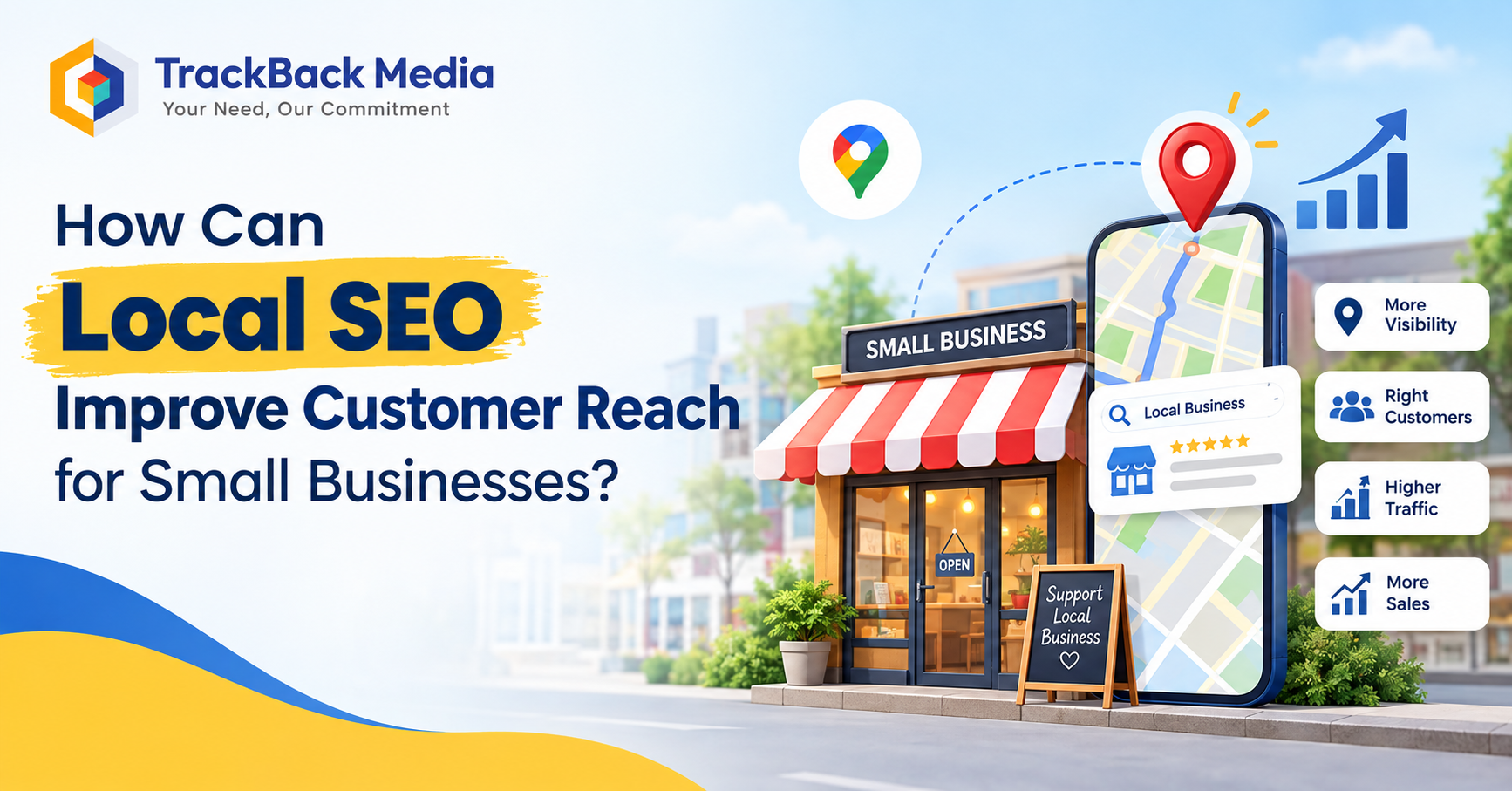
If you operate from a physical location or serve a specific geographic area, Local SEO can be one of the most valuable digital marketing services.
Local search helps customers discover businesses when they search for terms such as:
- restaurant near me
- dentist in Delhi
- digital marketing agency in Noida
- car dealer in Dubai
- best salon near me
Local SEO can involve:
- Google Business Profile optimization
- Local keyword targeting
- Location pages
- Local citations
- Reviews and reputation management
- Local schema
- Map visibility
- Local content
For location-based businesses, appearing prominently in local search can directly contribute to calls, enquiries, visits and bookings.
3. PPC and Google Ads: Generate Targeted Traffic Faster
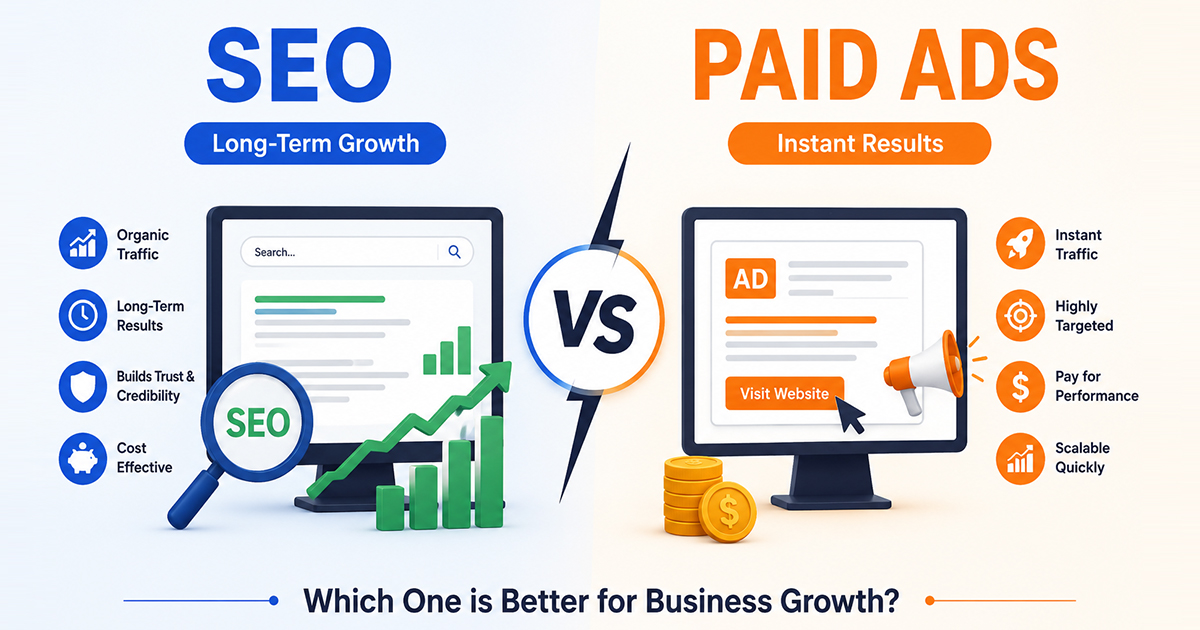
SEO is a long-term investment. Pay-per-click (PPC) advertising can help businesses reach potential customers much faster.
Google Ads allows businesses to target people searching for specific products and services.
For example, a company offering digital marketing services could target searches such as:
"digital marketing agency" or "SEO company near me."
PPC can be useful when your objective is:
- Generate immediate leads
- Promote a new service
- Drive traffic to a landing page
- Increase online sales
- Target high-intent searches
- Test market demand
However, paid advertising should not simply focus on getting clicks. The real goal should be qualified traffic and conversions.
That means your campaign should connect:
Keyword → Ad → Landing Page → Offer → Conversion
4. Social Media Marketing: Build Awareness and Engagement
Social media marketing helps businesses connect with audiences on platforms such as Instagram, Facebook, LinkedIn and other relevant channels.
It can support:
- Brand awareness
- Audience engagement
- Community building
- Lead generation
- Product promotion
- Customer communication
- Website traffic
But being active on every social platform is not necessary.
Instead, identify where your customers spend their time.
For example:
- Instagram: visual brands, lifestyle, food, fashion and consumer businesses
- Facebook: local businesses, communities and broad consumer audiences
- LinkedIn: B2B, professional services and corporate audiences
- YouTube: educational, product and video-led content
The objective should be to build a consistent social media strategy connected to your wider digital marketing goals.
5. Content Marketing: Give Customers a Reason to Find You
Content marketing goes beyond publishing random blog posts.
It involves creating useful content around the questions, problems and needs of your target audience.
Content can include:
- Blog articles
- Guides
- FAQs
- Case studies
- Videos
- Infographics
- Comparison pages
- Service pages
- Research-based content
- Social media content
For example, instead of only targeting the keyword "SEO services," a digital marketing agency can create content around:
- What is SEO?
- How much does SEO cost?
- How long does SEO take?
- SEO vs PPC
- How to choose an SEO agency
- How SEO generates leads
This creates multiple opportunities to reach customers at different stages of the buying process.
Do You Need SEO, PPC or Social Media Marketing?
You may need one, two or several channels depending on your goals.
Choose SEO when you want sustainable organic visibility.
Choose PPC when you want to reach high-intent customers quickly.
Choose social media marketing when brand awareness, engagement and community are important.
Choose content marketing when you want to educate your audience and build topical authority.
In many cases, the strongest strategy is not choosing one channel but creating an integrated digital marketing strategy where different channels support one another.
How to Decide Which Digital Marketing Services You Need?
Before investing in digital marketing, ask five questions:
1. What is your primary business goal?
Do you need:
- More leads?
- More sales?
- More website traffic?
- More local customers?
- Greater brand awareness?
2. Who is your target audience?
Understand:
- Who they are
- What they search for
- Where they spend time online
- What problems they need to solve
- What influences their buying decision
3. What is your current online visibility?
Review your:
- Google rankings
- Website traffic
- Social media presence
- Google Business Profile
- Competitor visibility
- Online reviews
- AI search visibility
4. What is your marketing budget?
Your budget should influence the combination of channels, campaign duration and expected outcomes.
5. How will you measure success?
Set measurable KPIs such as:
- Organic traffic
- Keyword visibility
- Leads
- Cost per lead
- Conversion rate
- Sales
- Return on ad spend
- Customer acquisition cost